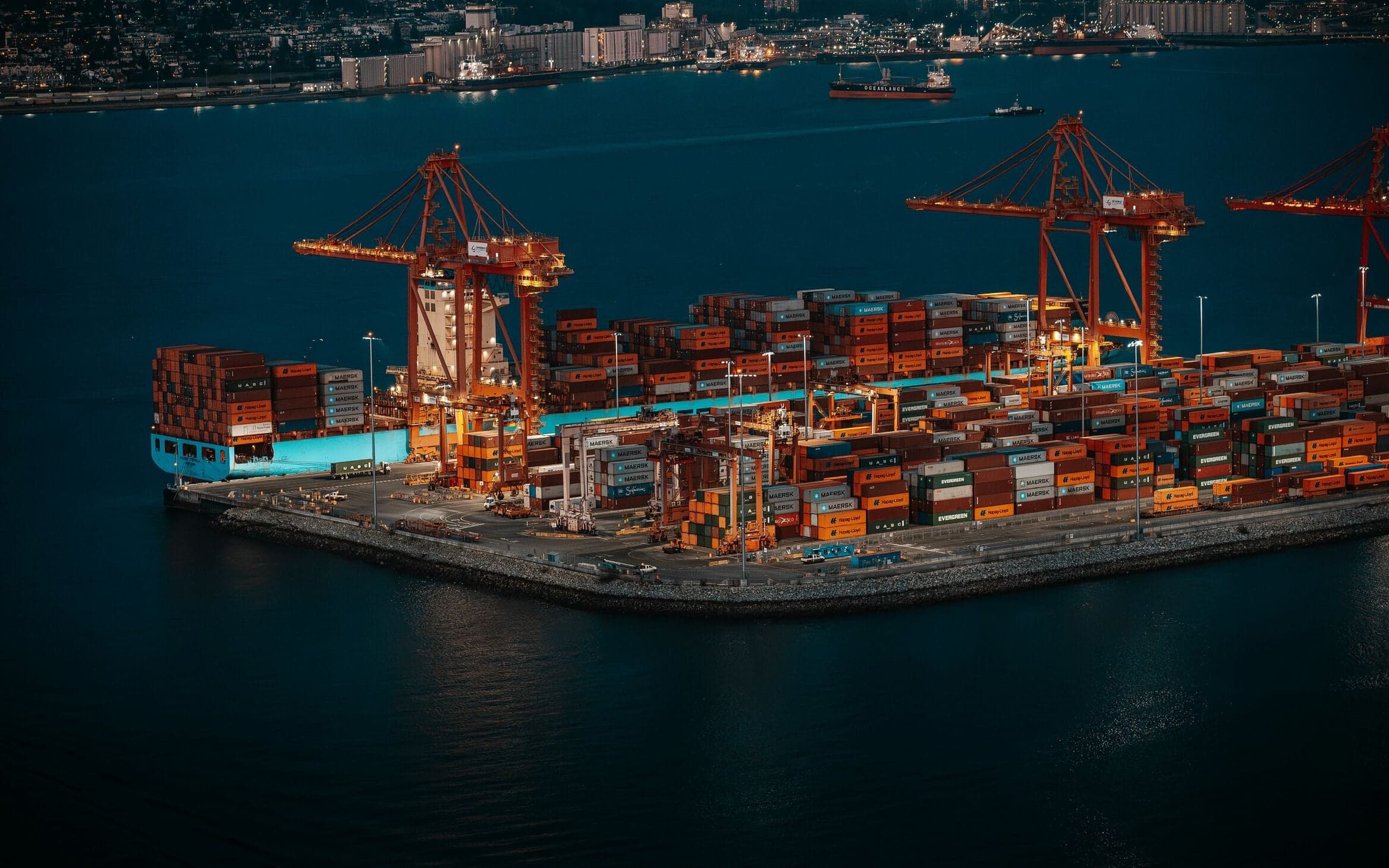
Global value chains are undergoing a fundamental transformation. What was once a linear, efficiency driven system is evolving into a dynamic, diversified network shaped by resilience, sustainability, and strategic positioning. At the center of this shift are emerging markets, which are no longer peripheral players; they are becoming critical engines of global production, energy transition, and infrastructure development.
This reconfiguration is redefining how industries operate, how capital flows, and where future opportunities will emerge.
The Evolution of Global Value Chains
For decades, global value chains were optimized for cost efficiency with production concentrated in a limited number of locations. However, recent disruptions from geopolitical shifts to supply chain vulnerabilities have accelerated the need for diversification and regional integration.
Emerging markets are now playing a central role in this transformation by offering:
- Expanding industrial bases
- Competitive manufacturing capabilities
- Strategic geographic positioning
- Access to natural and energy resources
More importantly, these markets are increasingly integrating into high value segments of the global economy, moving beyond assembly and production toward innovation, advanced manufacturing, and energy transformation.
Energy: Powering the Transition
The global shift toward sustainable energy has placed emerging markets at the core of the energy transition.
Countries across Asia, the Middle East, and Africa are investing heavily in:
- Renewable energy infrastructure
- Hydrogen and alternative fuel systems
- Energy storage and smart grids
These markets are not only adopting new energy models; they are shaping global supply chains around them. From solar manufacturing hubs to large scale green energy projects, emerging economies are becoming key contributors to energy security and sustainability at a global level.
For investors, this represents a significant shift toward energy driven value chains, where infrastructure and resource management are directly linked to long term economic growth.
Infrastructure: The Foundation of Connectivity
Infrastructure is no longer viewed as a supporting function; it is now a strategic driver of economic competitiveness.
Emerging markets are investing in integrated infrastructure that connects ports, logistics corridors, digital infrastructure enabling smart economies and urban systems aligned with sustainability goals.
Projects such as smart cities, industrial parks, and logistics ecosystems are enabling these regions to function as fully integrated trade and production platforms rather than isolated markets.
This transformation enhances connectivity, reduces friction in global trade, and creates environments where business can scale more efficiently across borders.
Manufacturing: From Scale to Intelligence
Manufacturing within emerging markets is also evolving from volume based production to technology driven, high value operations.
While advancements in automation and robotics, digital manufacturing systems, advanced materials and precision engineering are enabling these markets to compete not only on cost but on innovation, flexibility, and quality.
This shift positions emerging economies as critical nodes in global value chains, especially in sectors such as electronics, automotive, clean technology, and advanced industrial production.
AIM Congress in an Evolving Global Economy
In this rapidly evolving environment, understanding global value chain transformation is no longer enough the ability to engage with it strategically is essential.
This is where AIM Congress positions itself as more than a gathering. As the world’s leading investment platform, it serves as a global interface between capital, policy, and opportunity.
AIM Congress connects:
- Governments shaping economic strategy
- Investors allocating capital across markets
- Industry leaders driving innovation and expansion
Through high level dialogue, structured engagement, and sector focused discussions, the platform enables participants to navigate complex global shifts and identify actionable opportunities within them.
Participants gain direct exposure to sectors driving global growth within some of the world’s most dynamic markets across multiple regions and sectors.
Positioning Within the Next Value Chain Shift
As global value chains continue to evolve, competitive advantage will belong to those who can access, navigate, and act within emerging markets shaping energy, infrastructure, and manufacturing.
AIM Congress positions itself at this intersection as the world’s leading investment platform, connecting global leaders with the regions, sectors, and partnerships driving the next phase of economic growth.
Global value chains are shifting; be where it happens. Join AIM Congress turn insight into impact.